When the phrase “endangered species” comes to mind, it is likely that most people will think about elephants, tigers and orangutans, not water voles, hedgehogs and great crested newts. When the term “habitat decline” is mentioned, the idea of deforestation in the Sumatran rainforest or the melting ice caps are more commonly thought of than Britain’s moss habitats and our ancient woodlands. Britain’s wildlife is in big trouble, and it has experienced a population decline of 60% over the past few decades – yet no one seems to be aware of this.
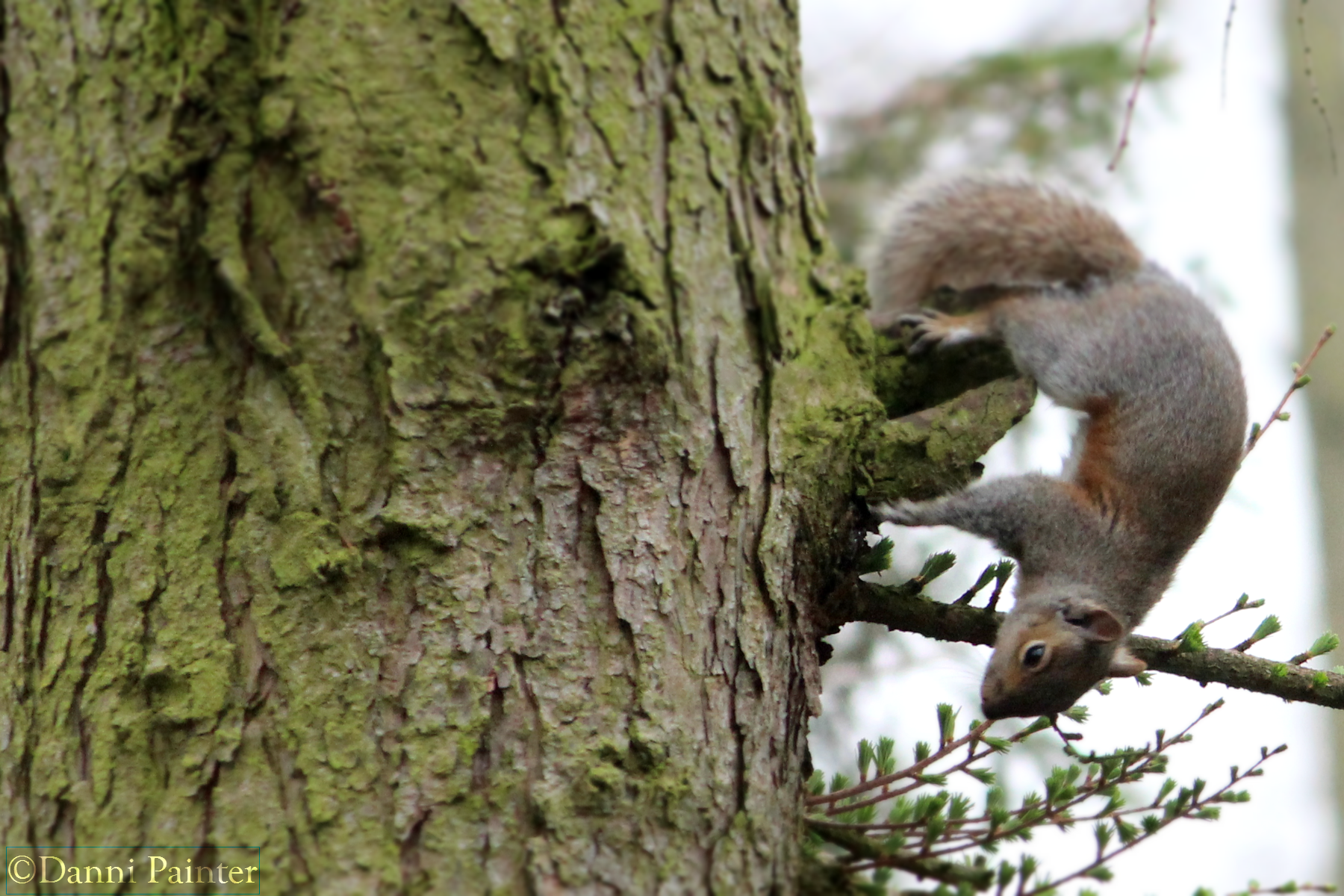
The grey squirrel has massively reduced the red squirrel population since its introduction in the late 19th century
Some of these species, such as the Red Squirrel, is in decline due to the introduction of an alien species – the Grey Squirrel. Other species, such as the Scottish Wildcat, are threatened by the domestic cats as the species interbreed creating hybrids which is reducing the number of pure-bred wildcats. However, the majority of our species are threatened by habitat destruction and also climate change.

A hazel dormouse in torpor
The Hazel Dormouse is an adorable small mammal that lives in the canopy of our deciduous woodlands, well known for it’s sleepy autumnal state called torpor, where the animal enters a deep sleep temporarily and rolls up, allowing it to reserve energy and stay warm during the cooler months. The Hazel Dormouse has experienced a population decline, and is disappearing from the northern areas of the England, and it is thought that the main causes of their decline are habitat destruction and fragmentation – usually due to woodland areas being cut down to make space for arable land. Climate change is also thought to be threatening the species, as warmer autumns cause them to awake from hibernation more often and also changes how early they enter hibernation. Wetter summers also make it harder for dormice to forage.

75% of our wildflower meadows have disappeared since World War 2
It is not just our animals that our endangered, but the habitats they they live in. Such endangered environments include wildflower meadows, ponds, ancient woodland, mosses and lowland peat bogs. Since the 1950’s, 97% of our wildflower meadows have been destroyed, causing two thirds of our butterfly species to become threatened or endangered. Half of our ancient woodland has been chopped down, putting strain on many of our beloved woodland species. The most devastating loss however, may be the 98.6% loss of lowland peat bog habitats within England, due to extraction of peat for use as fuel or to be used in compost, leaving England with only 500 hectares of this very special habitat left, allowing species such as the UK’s largest arachnid – the Great Raft Spider, to become endangered and sparsely distributed within the UK.

The Great Raft Spider – The UK’s largest spider with an average legspan of 3 inches.
It is sad to look out towards the British countryside and realise how fragile and vulnerable our wildlife is, and with climate change becoming more pronounced within the UK, and an ever increasing demand for more housing and urban areas flooding out over our countryside, there is only more threats for our wildlife to encounter. Many conservation projects are underway to protect and restore our wildlife back to its glory, and there are many ways that you can help our wildlife make a comeback.
If you want to help our wildlife, then please watch this space as in Part 2 I will discuss ways in which you can get involved in the oncoming wildlife revival!
Danni
 J & D Science